
‘Arch Refurbishments’ Project Case Study
We have recently completed work on many arches that form part of the railway network. Once our work is completed, these arches in most cases are let by small and medium businesses across the UK.
Our work is significant by way of keeping the arches maintained and refurbished, so that the business that occupy them can operate whilst working within safe and compliant spaces.
We ensure that the Arches, once refurbished, are compliant with building control regulations and are free from water ingress.
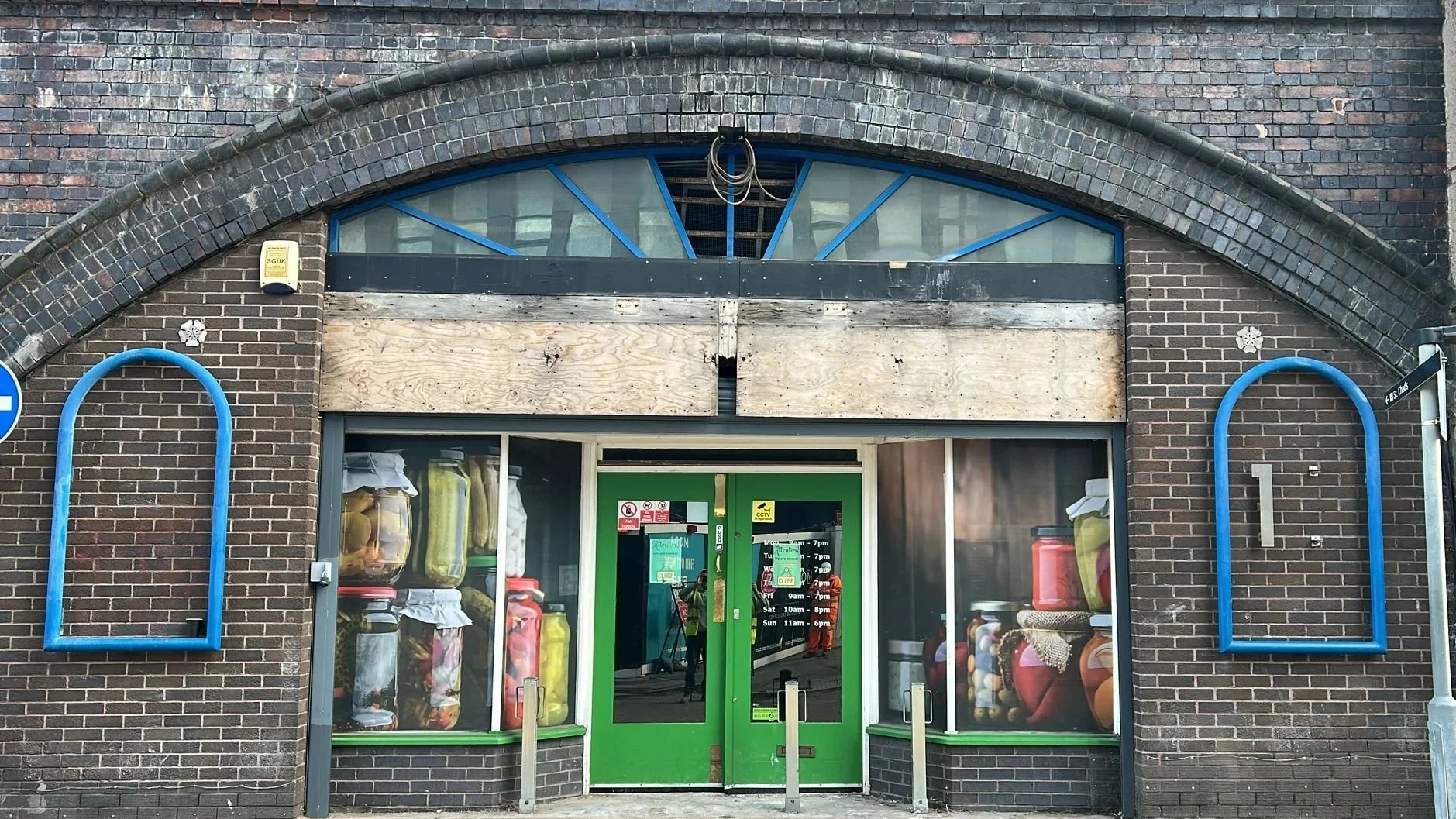
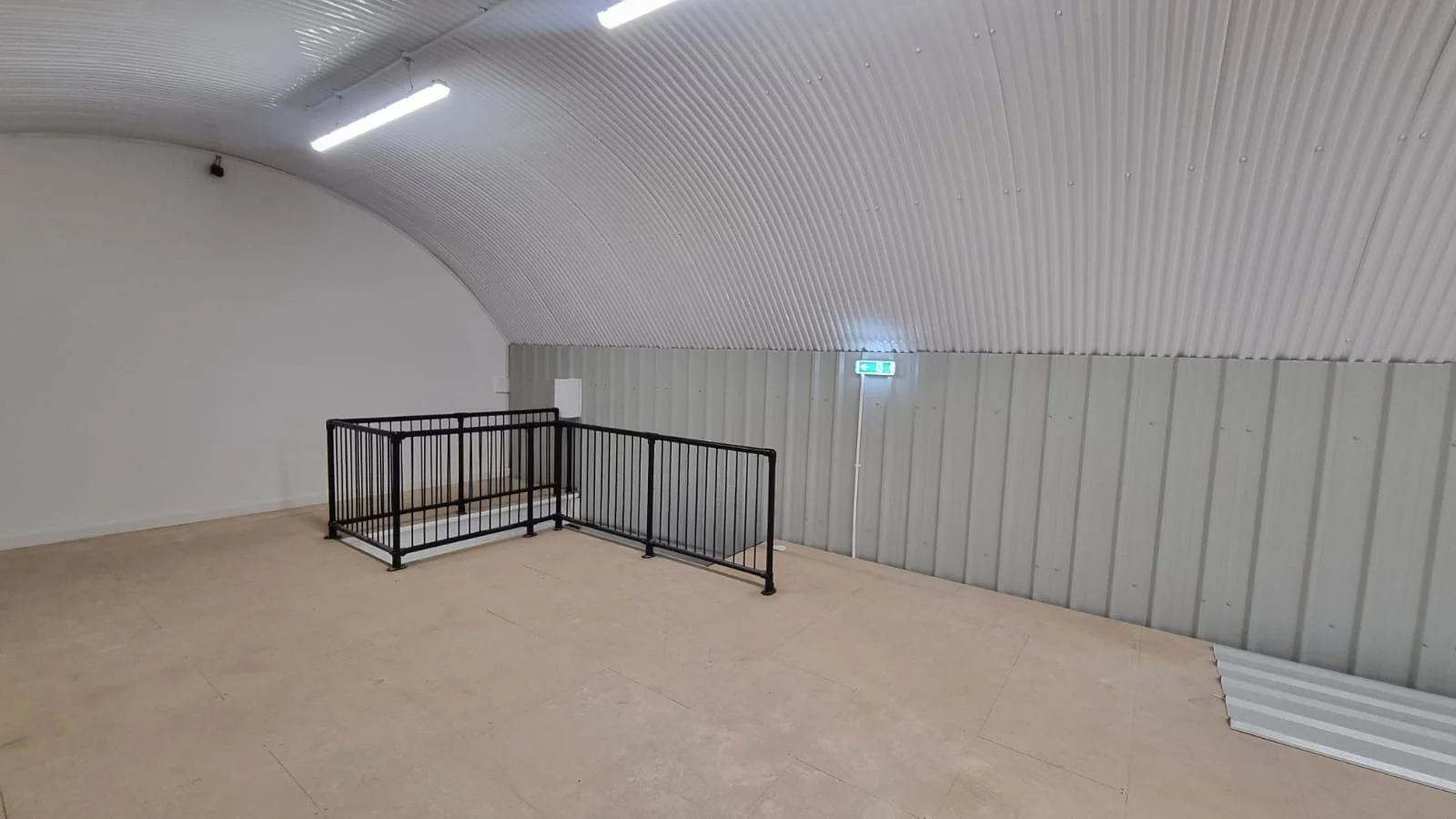
This is a typical Arch. Before we commence our works we usually find that the barrel lining is in need of repair or replacement, the gutters requirement maintenance and in places upgrading. Internal walls can be without the appropriate lining and left exposed. WCs will get upgraded complete with Doc M packs, so that they are complaint. Floors require refurbishment. We can also find that our scope includes for new entrance doors, fire escape doors and shutters to be replaced.
Before:
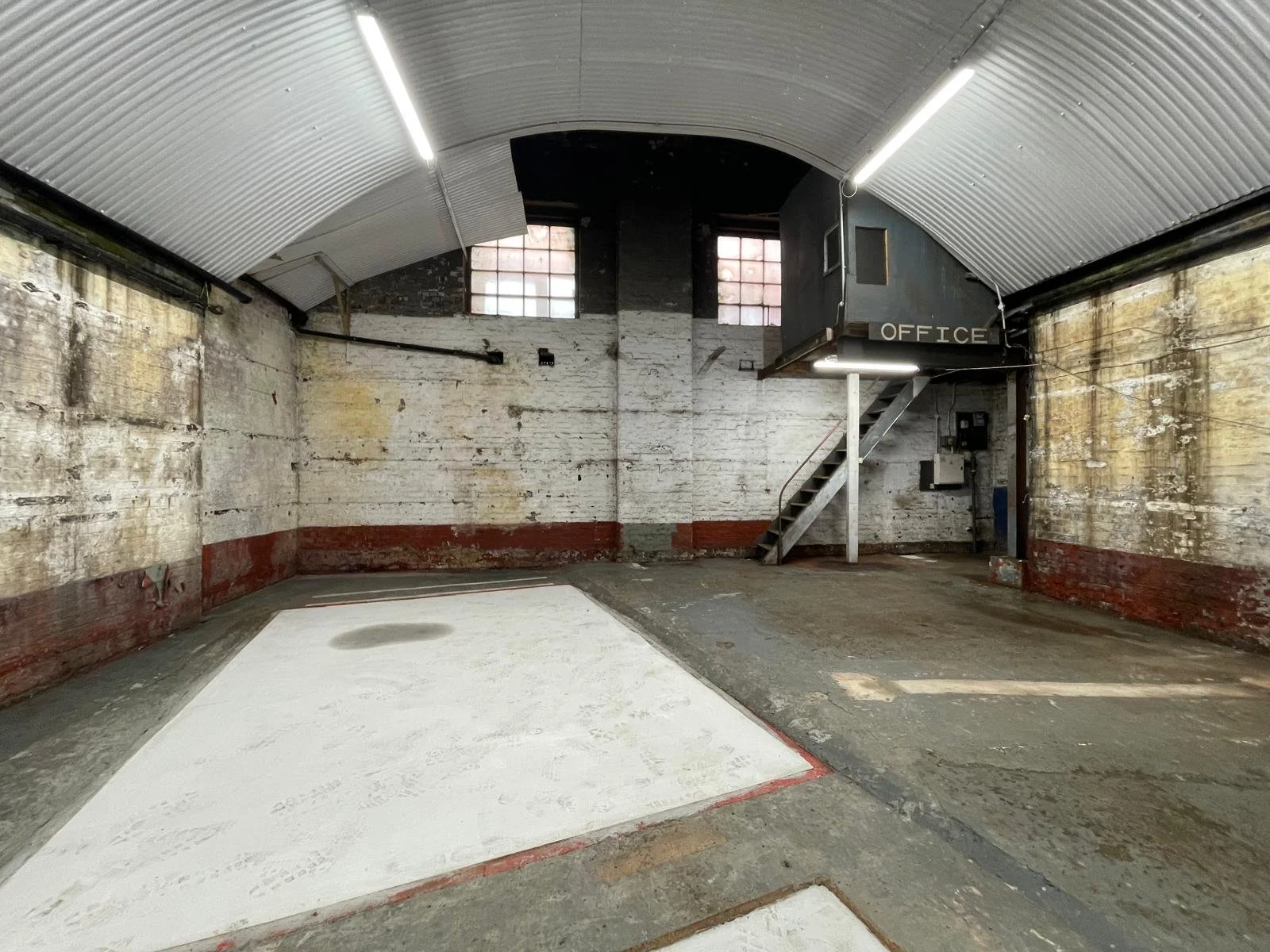
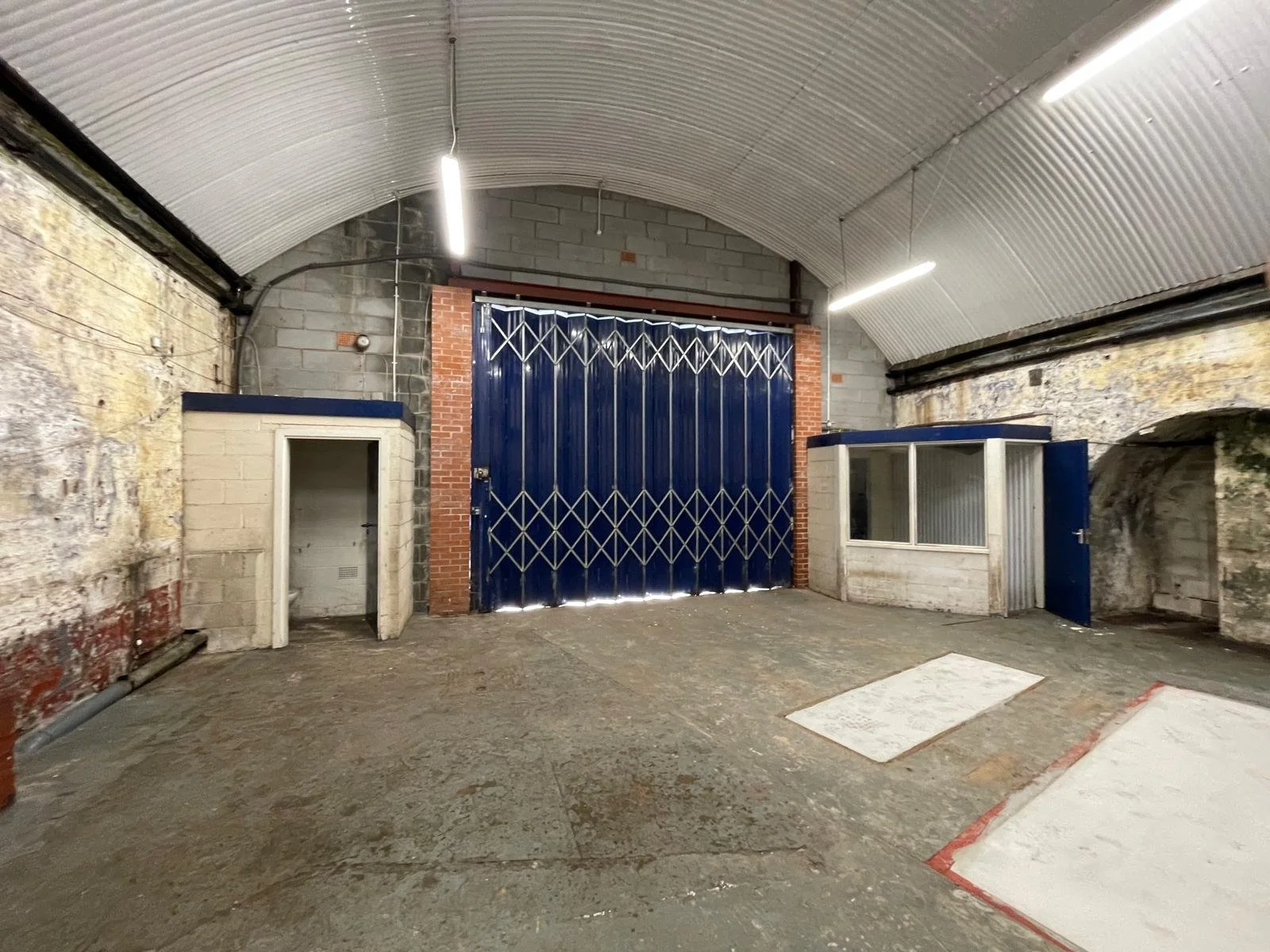
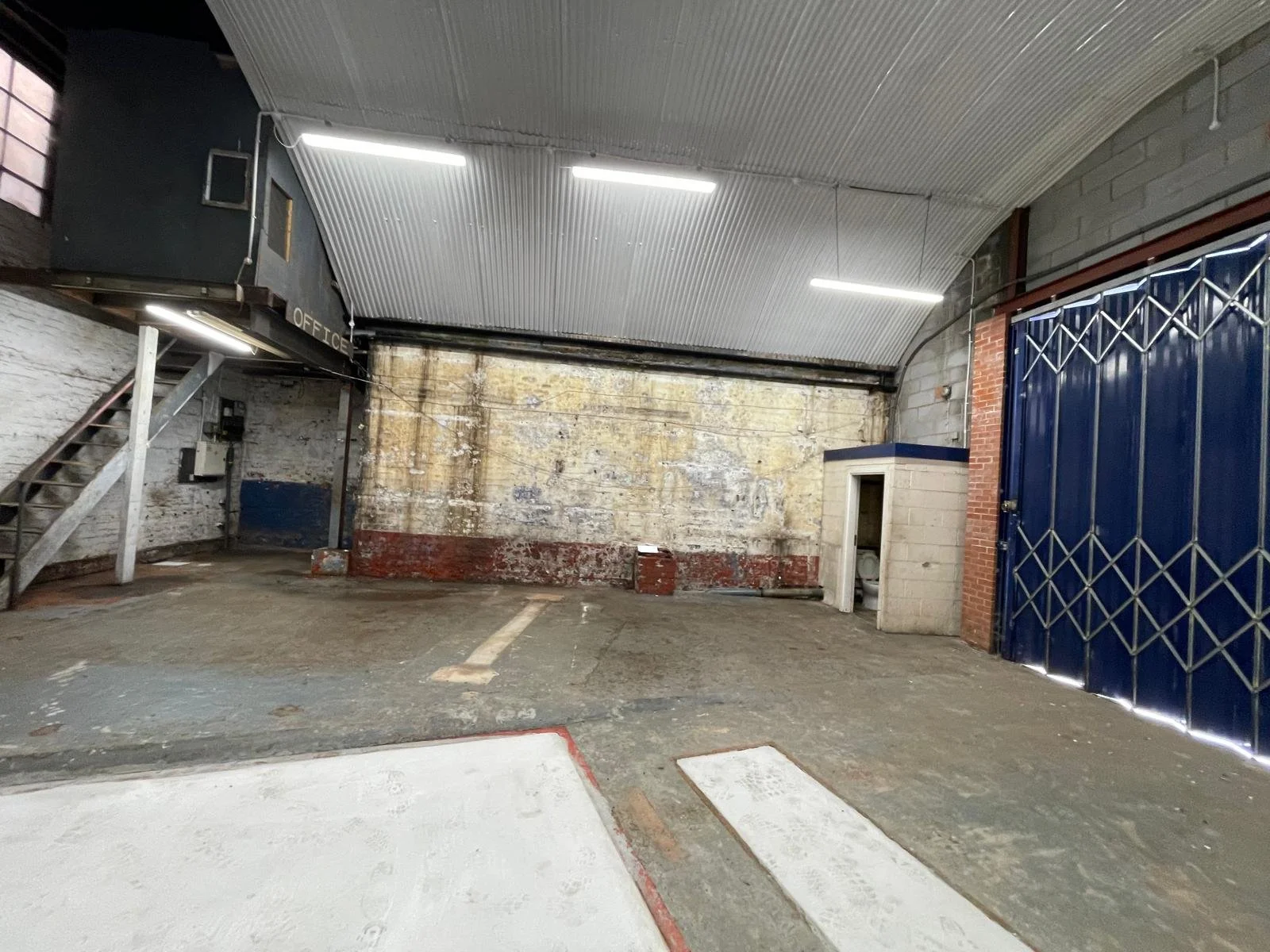
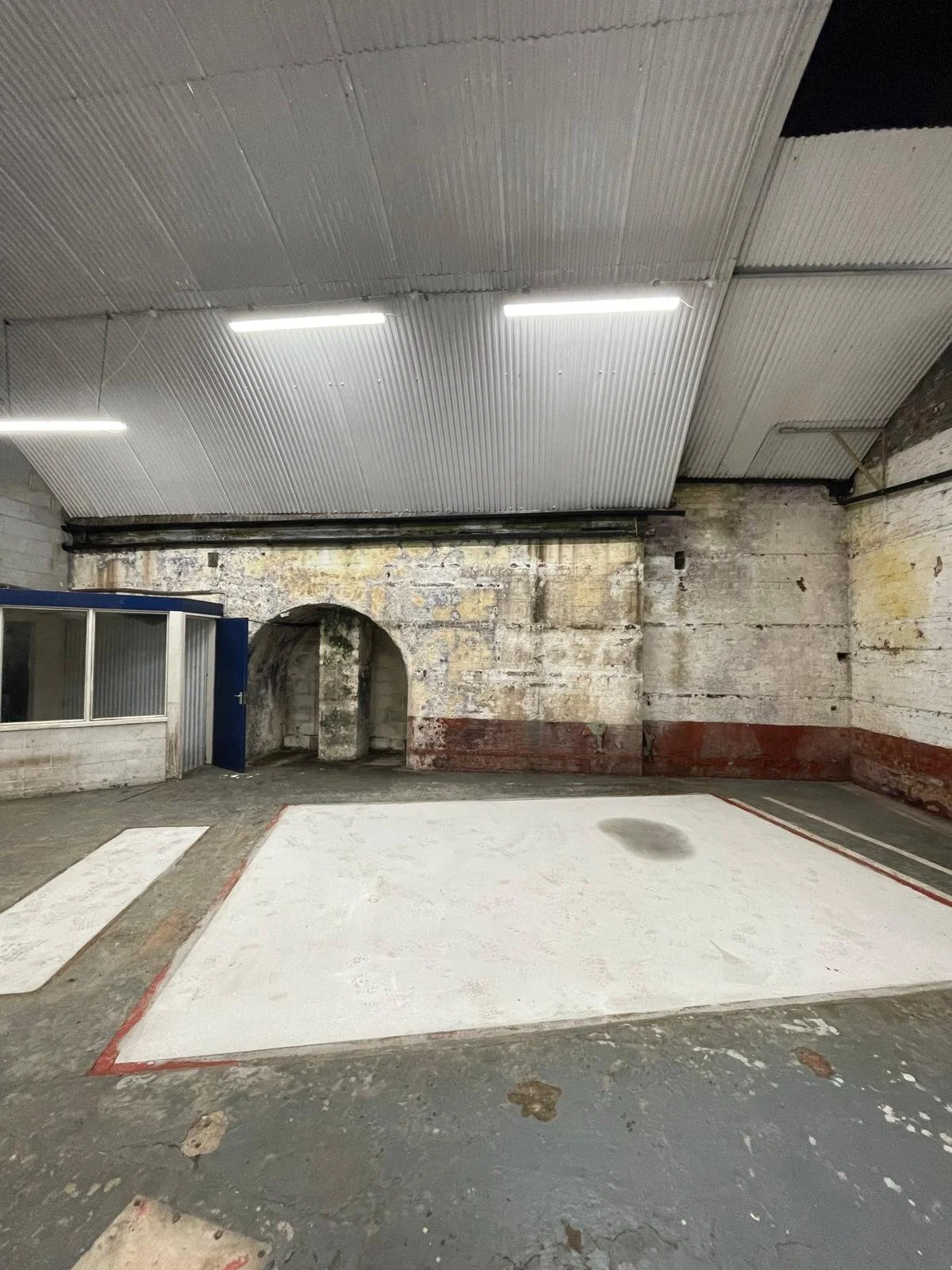
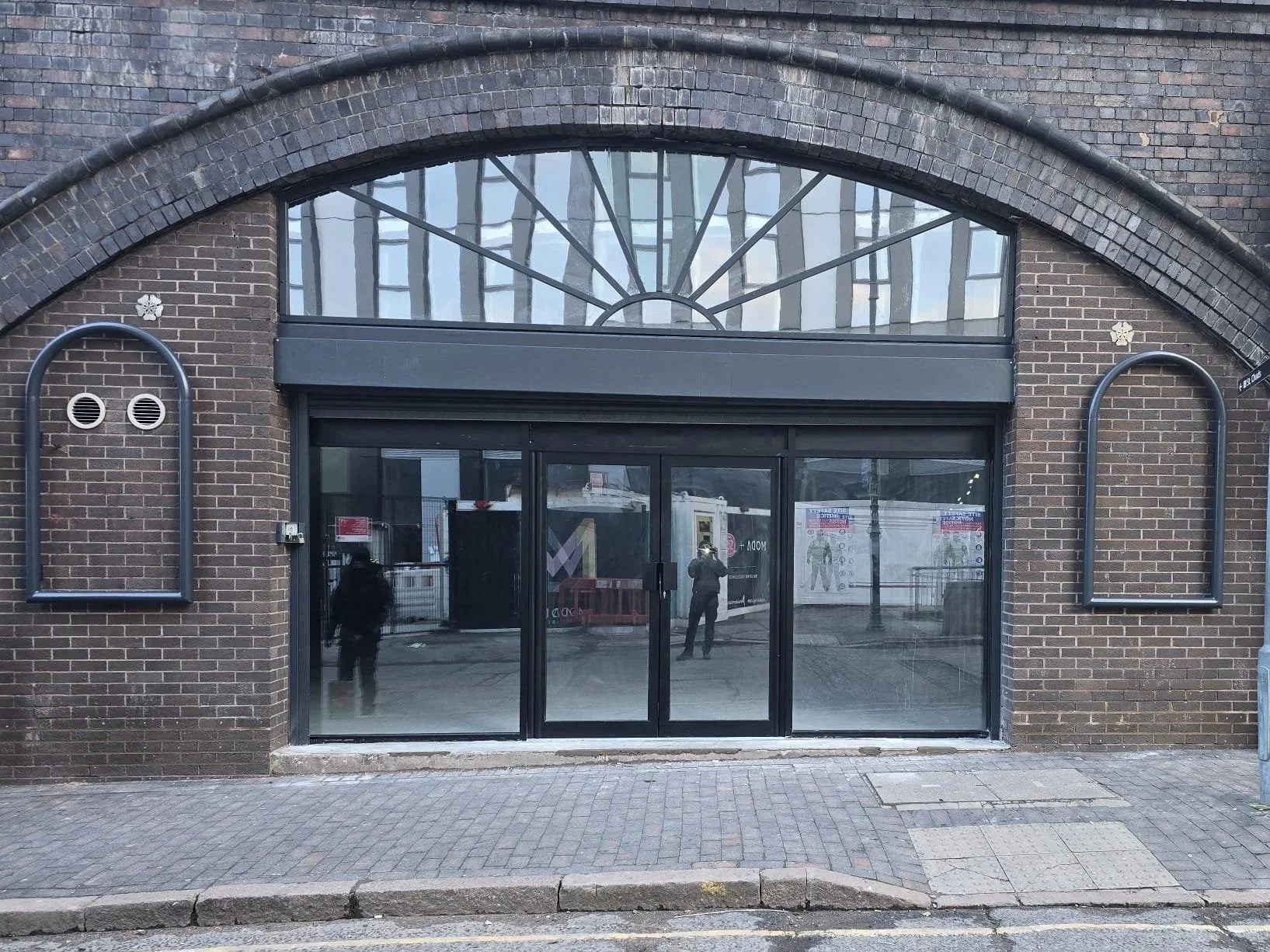
After:
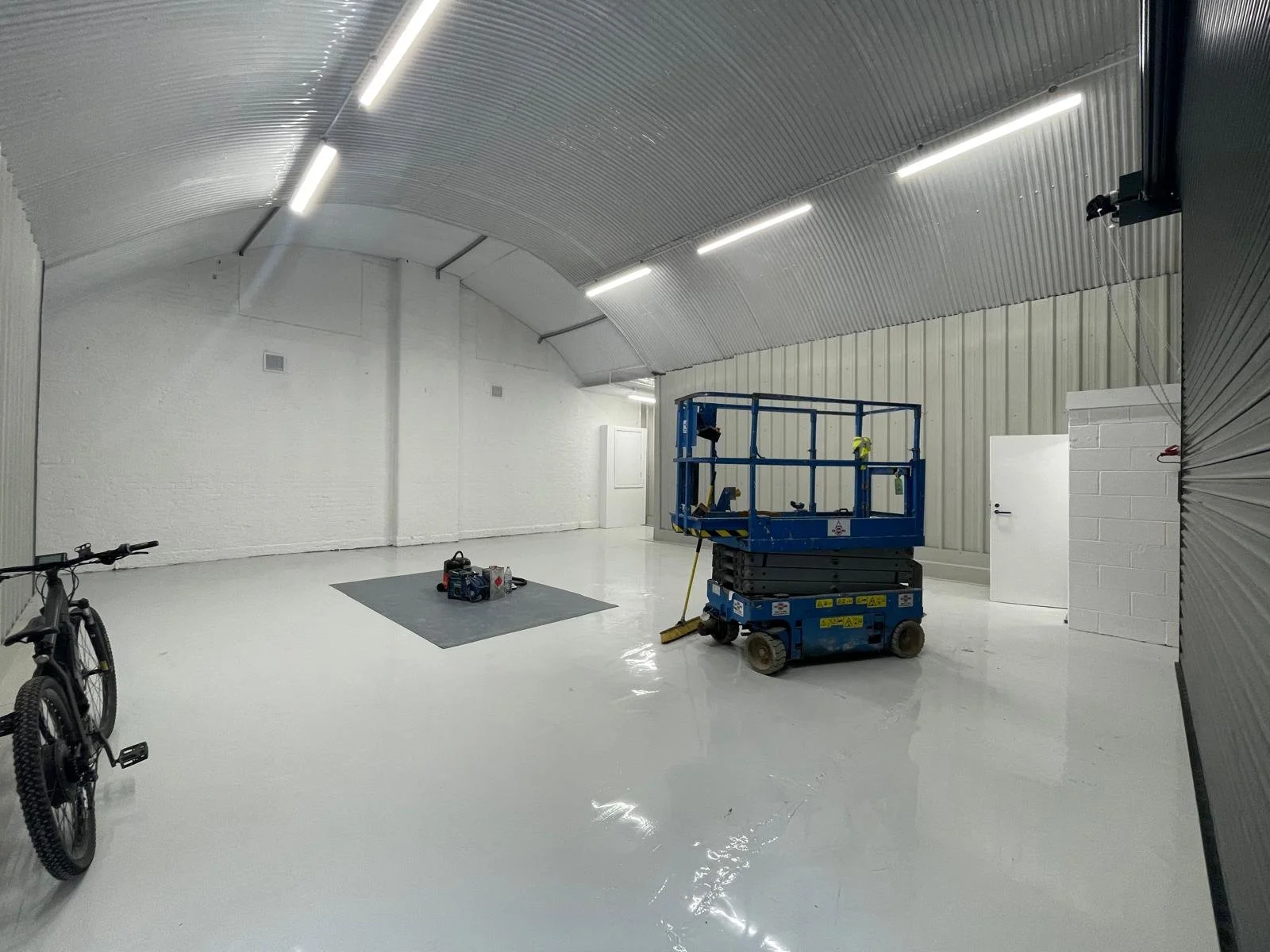
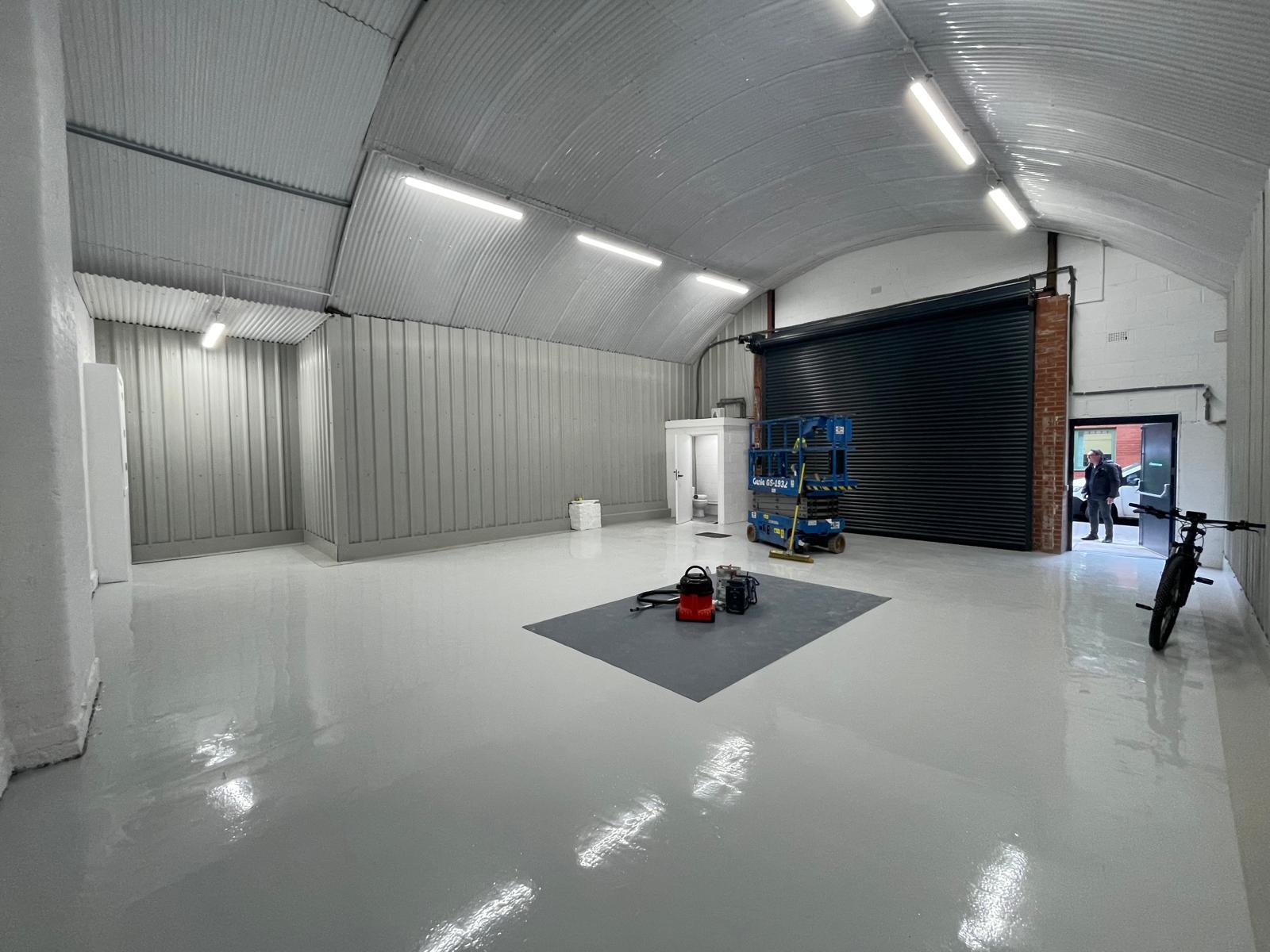
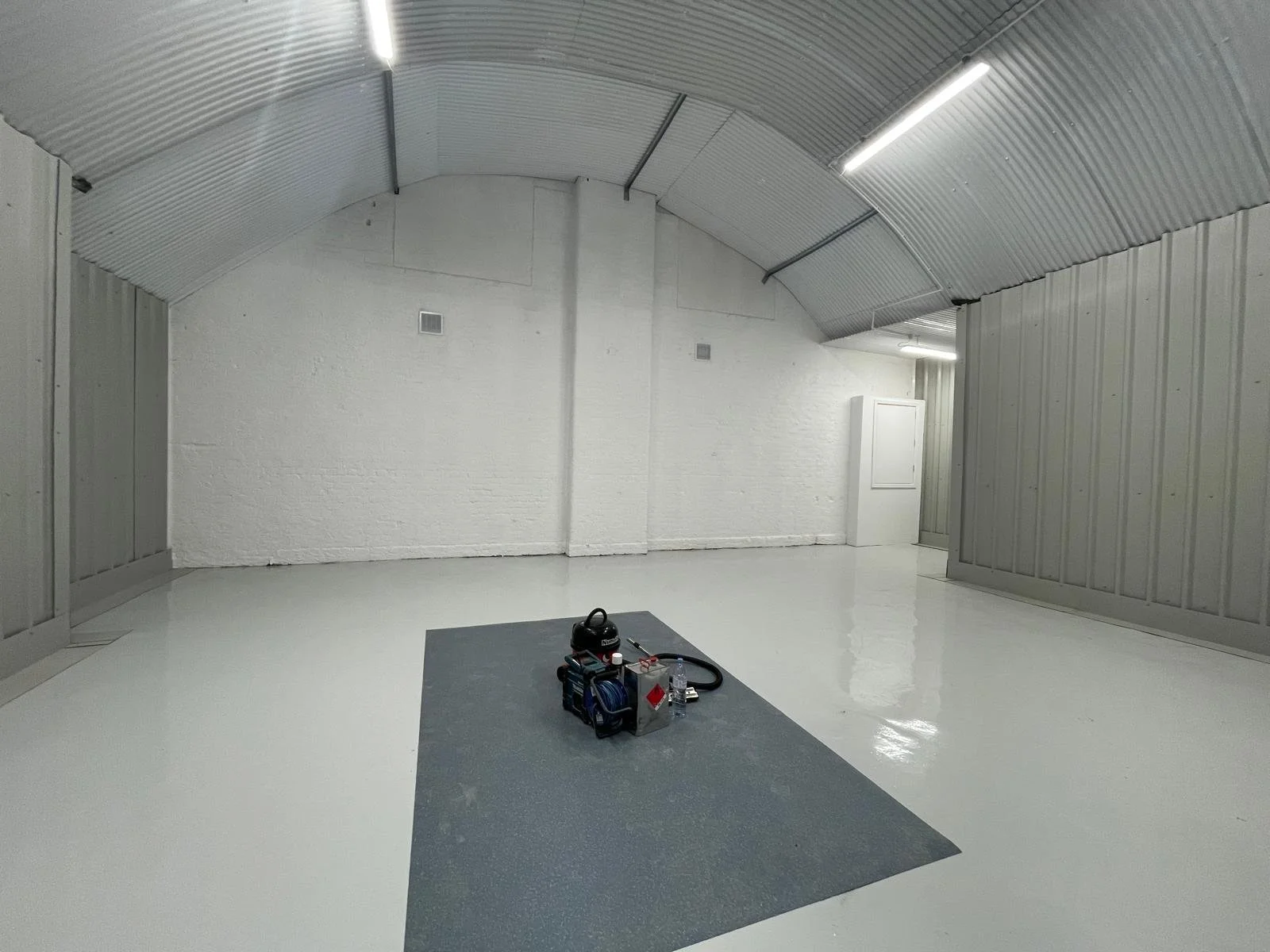
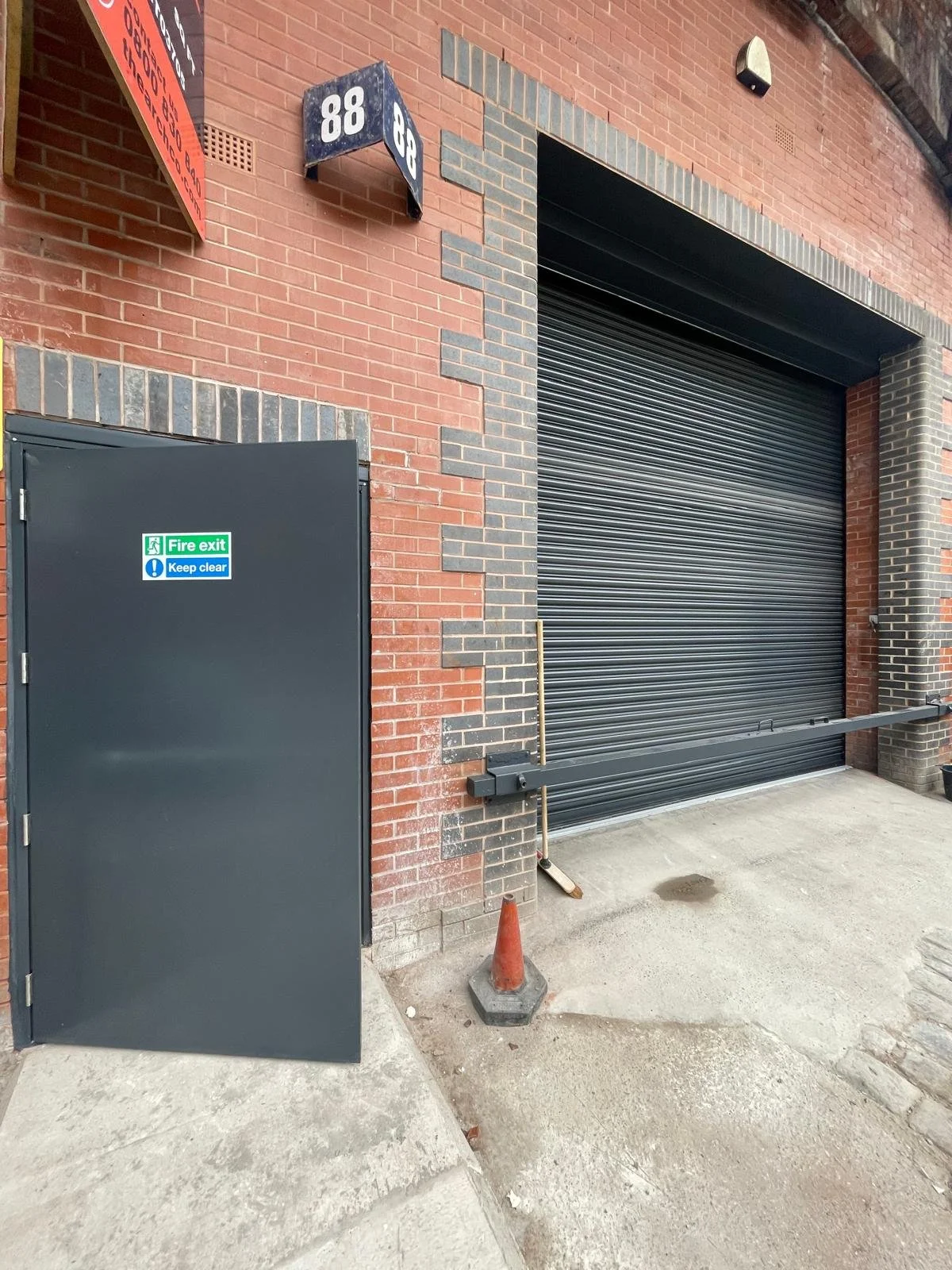
Our work involves the refurbishment of the Arch both internally and externally to upgrade the building methods and materials previously used, whilst offering a high quality finish which is aesthetically pleasing for our client and their tenants.
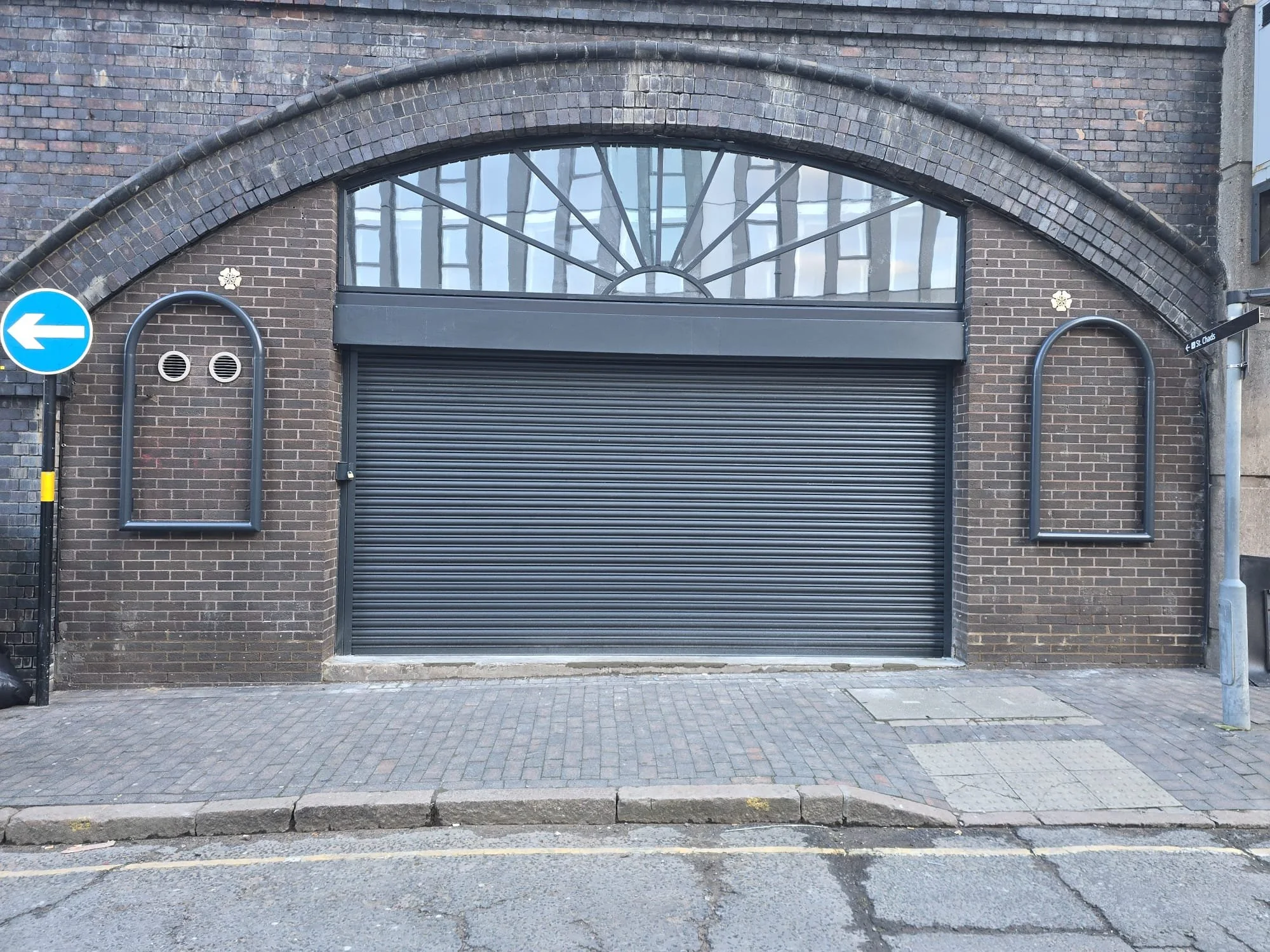
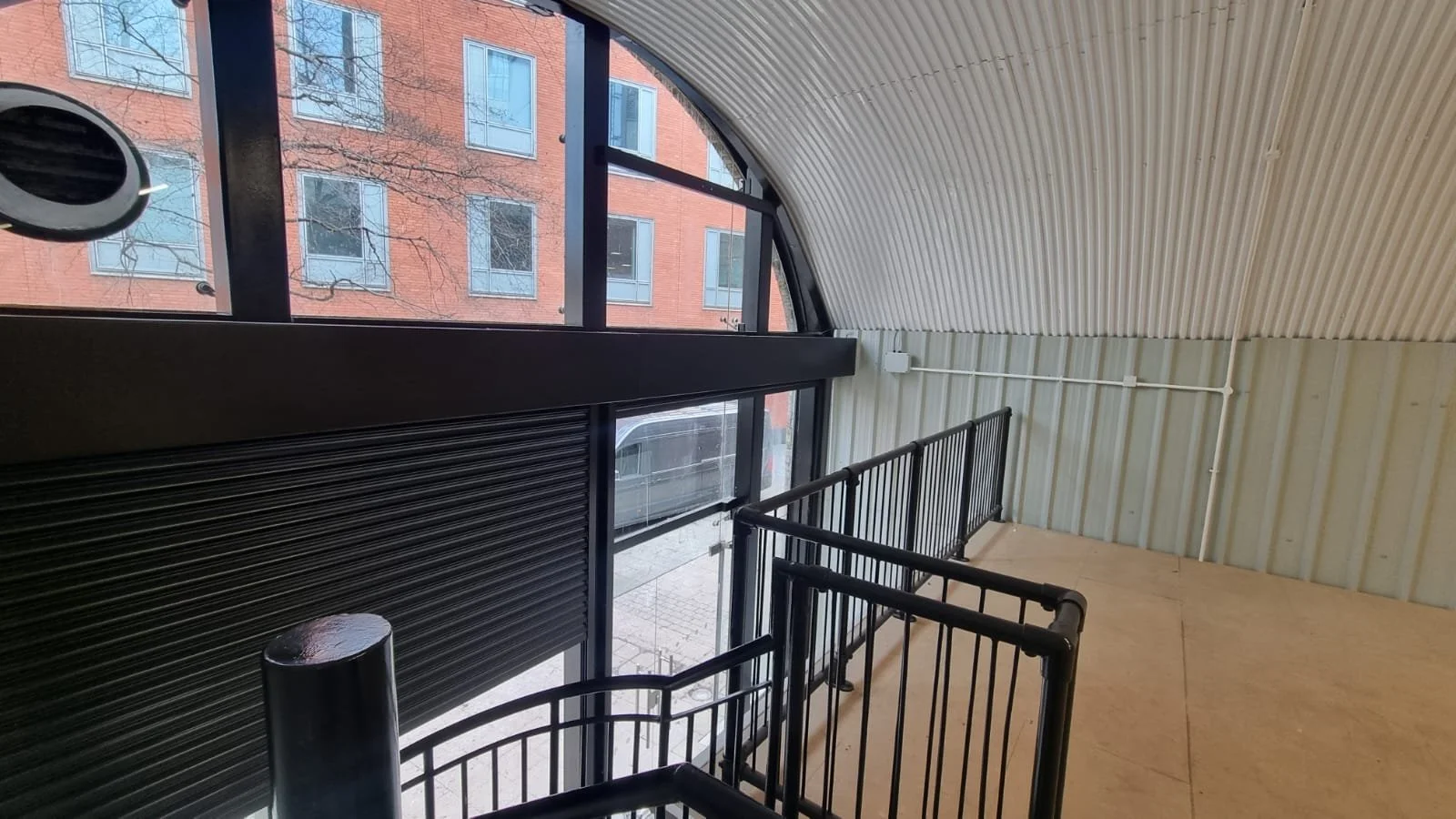
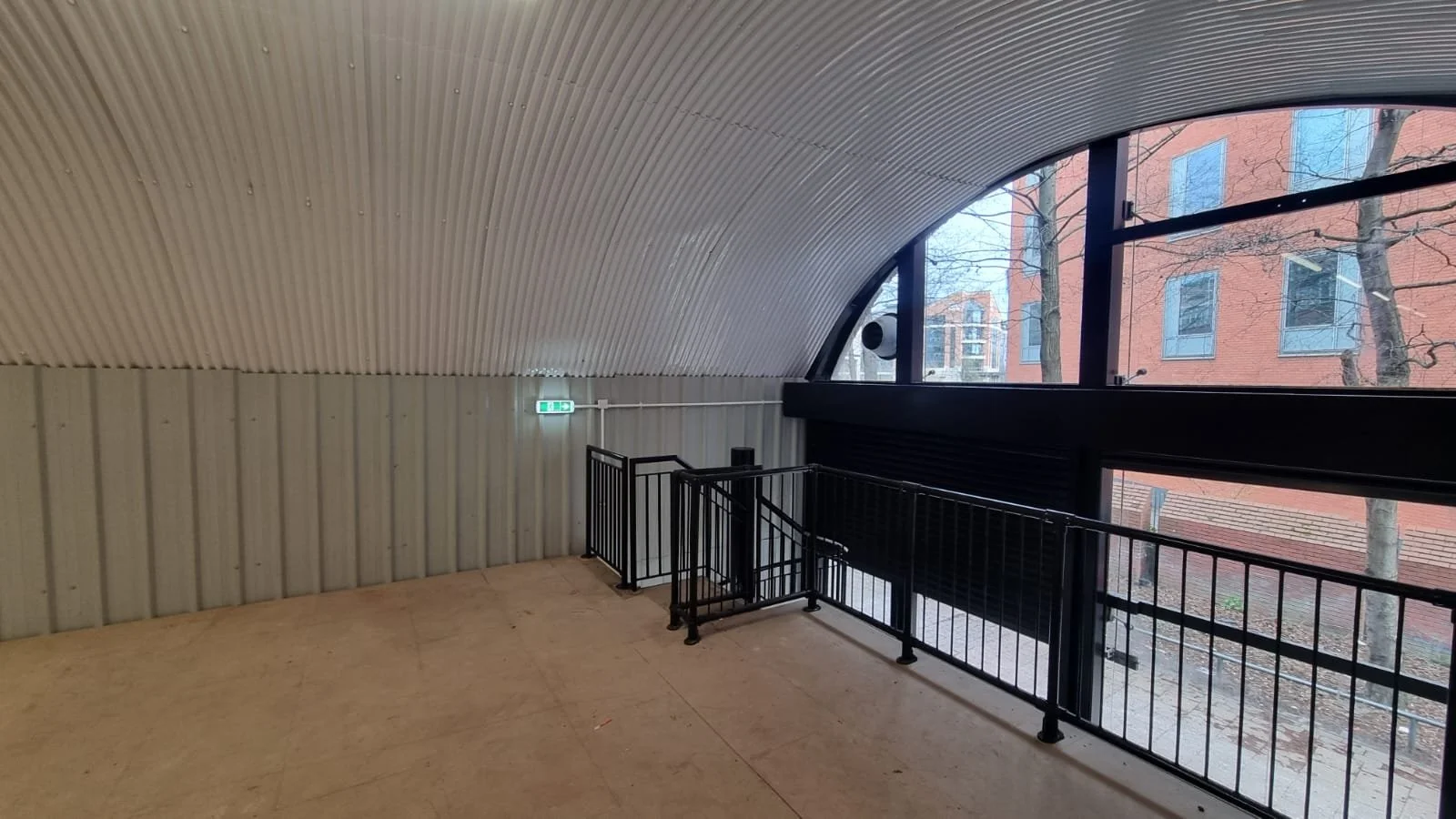
With the Arch below, we designed and installed a new aluminium shopfront complete with a new electrically operated roller shutter. The glazing above the shopfront was replaced with new aluminium frame and glass, to match the existing design.
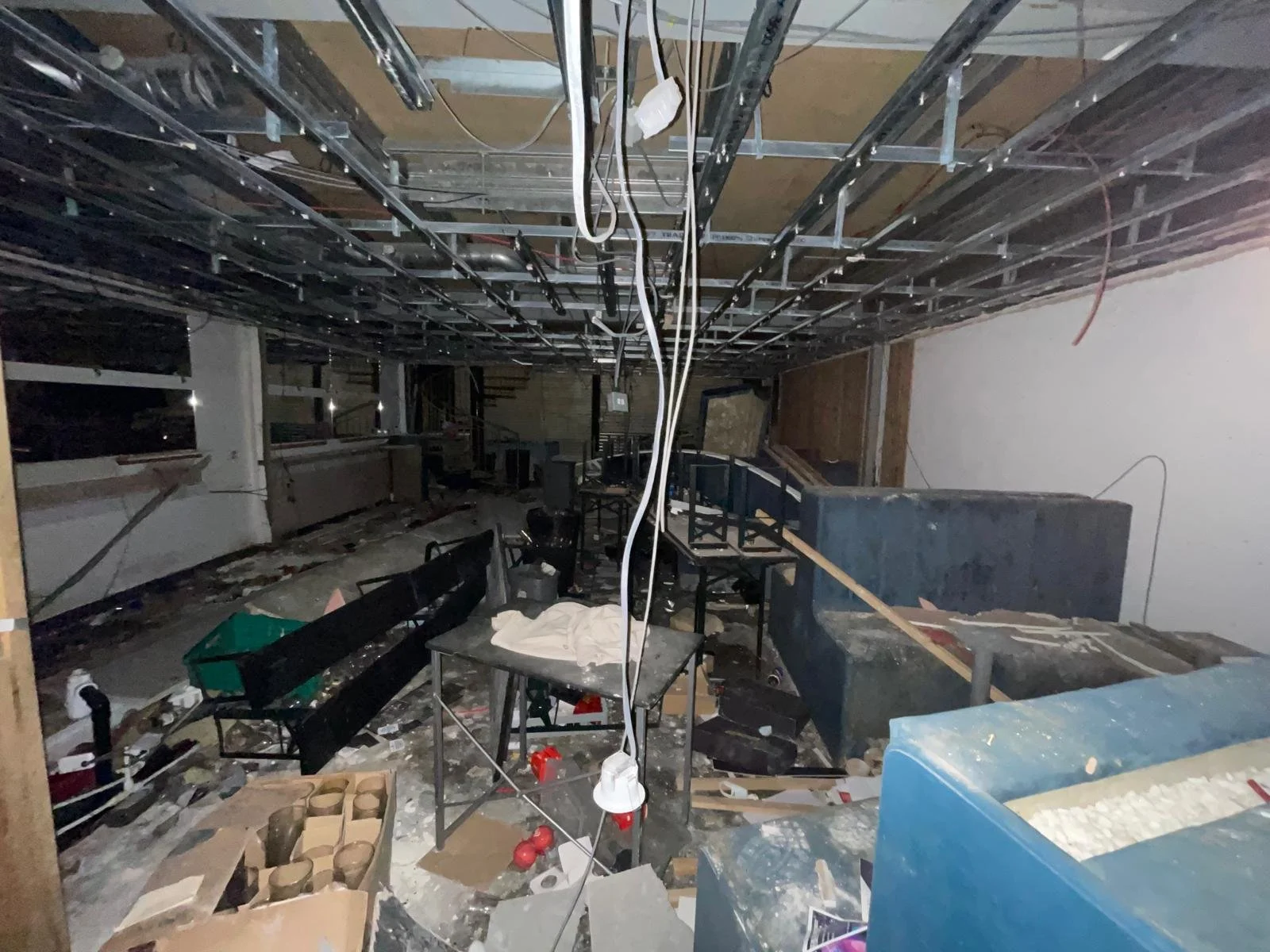
Before commencing works we can sometimes find that the previous tenants have not left the Arch in a great condition. However, our teams are ready to take on any challenge and will have them looking just as good by the time we are complete.
The Arch below was found in this way, but take a look at the results:
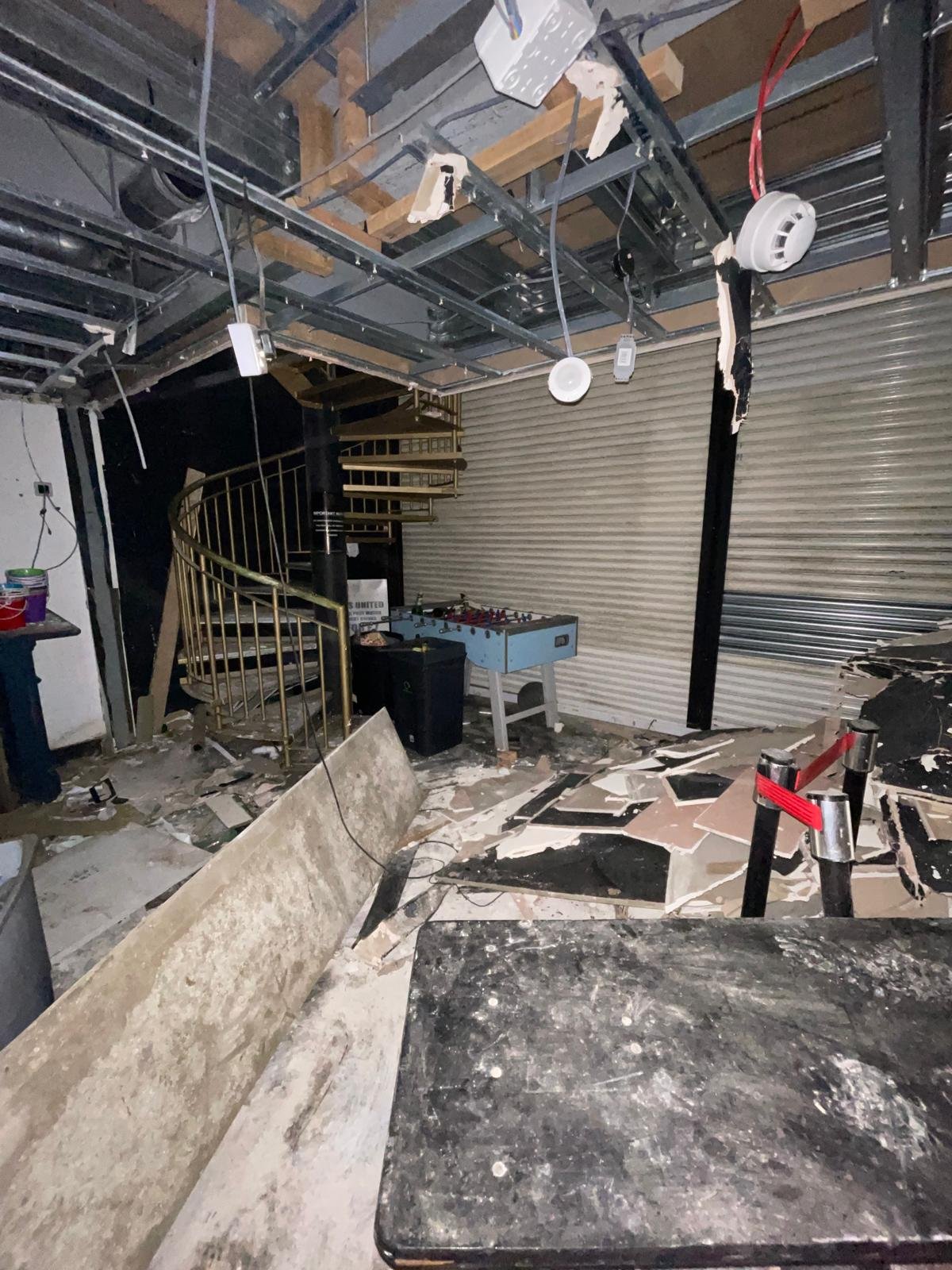
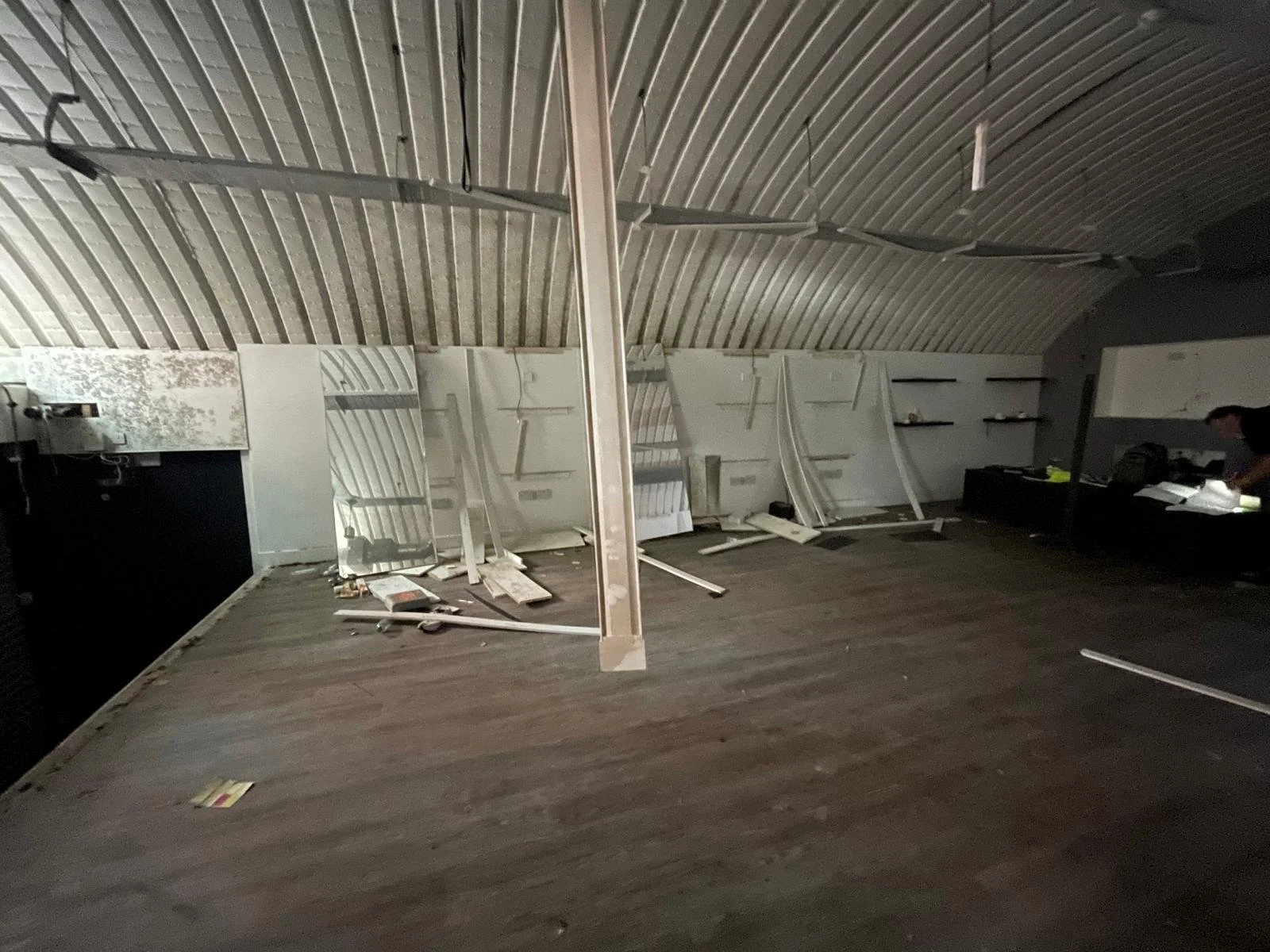
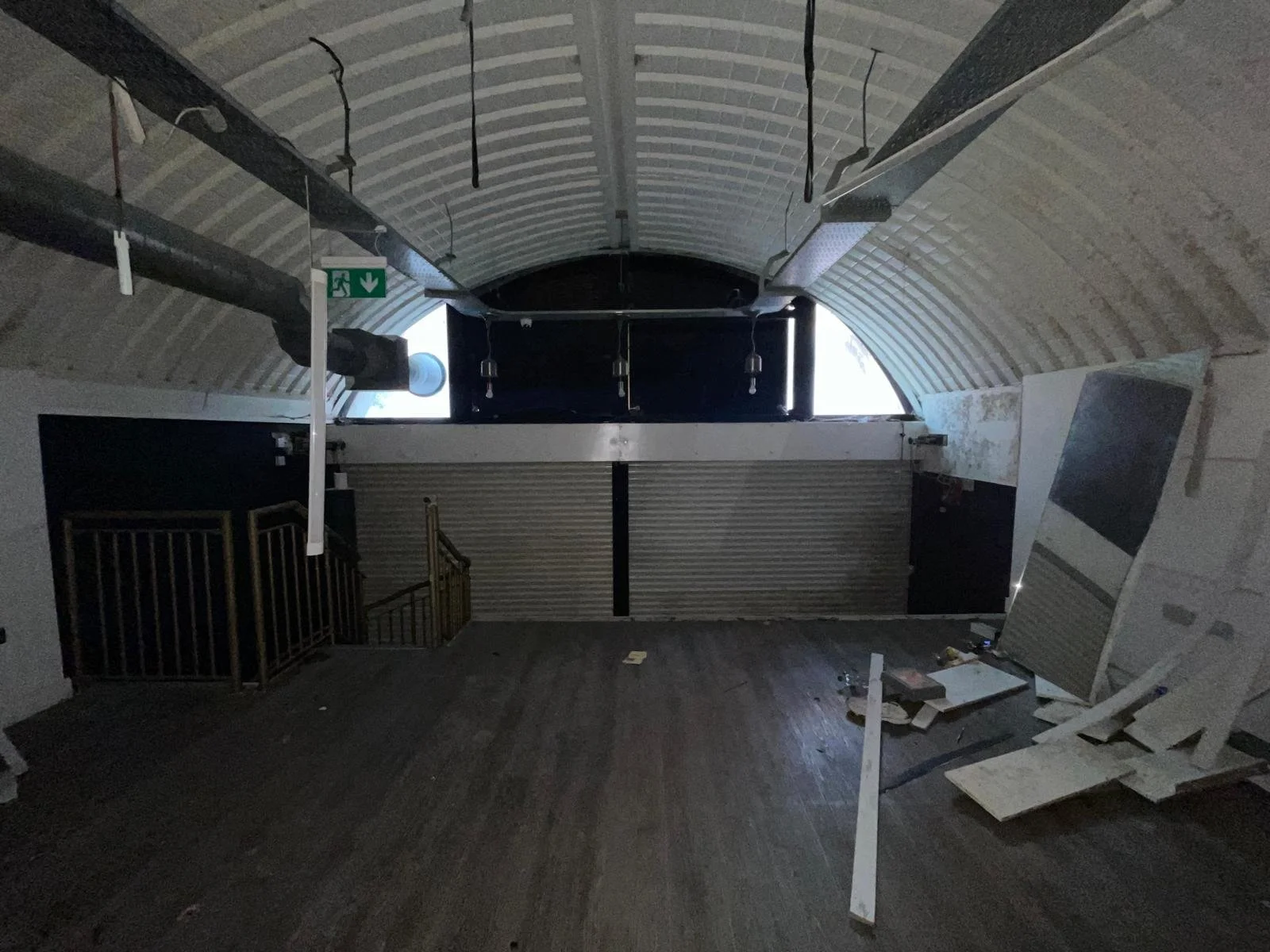
After:
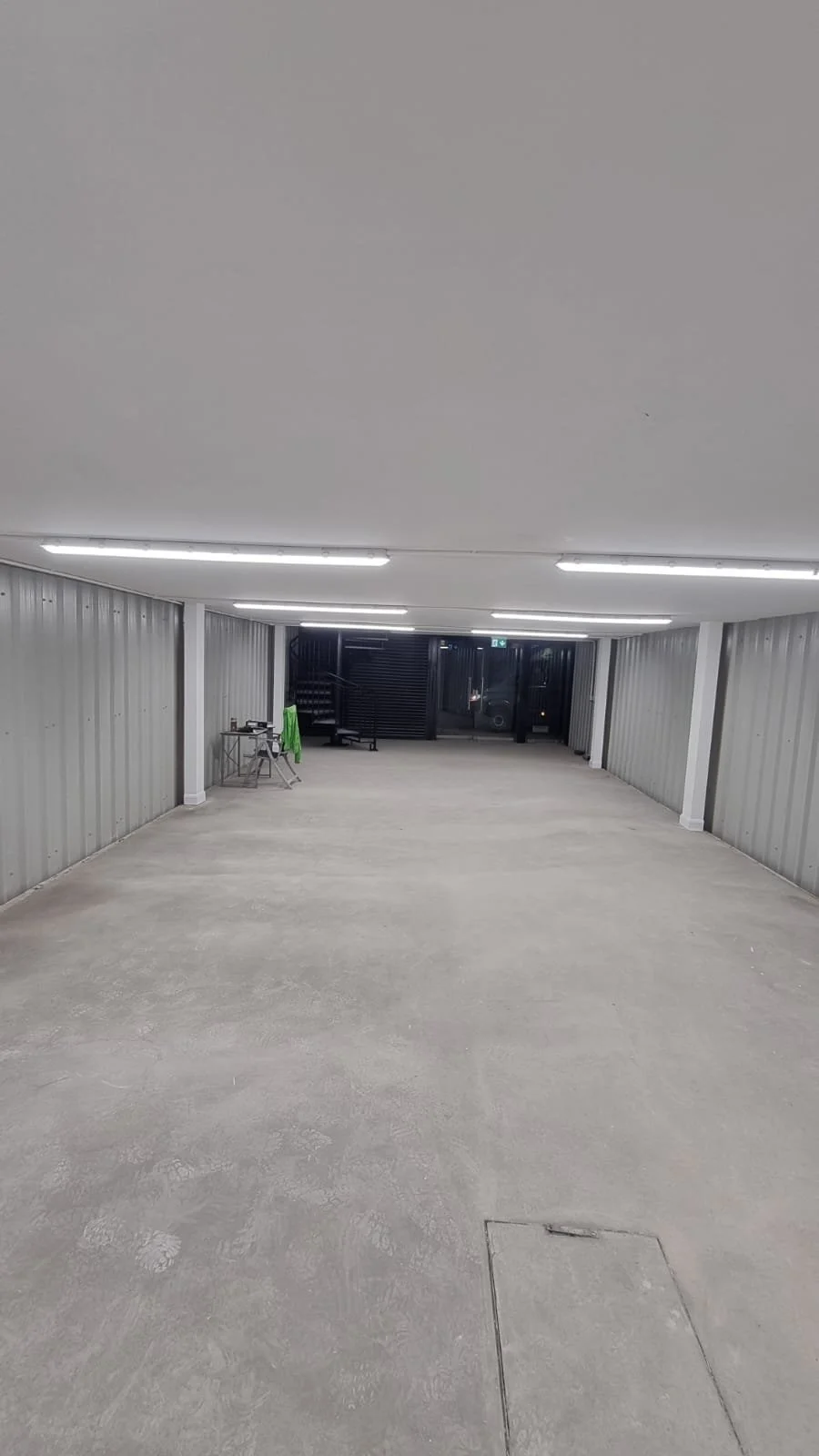
These are only a handful of the Arches that we have completed recently, we will continue to update the page with our future works…